
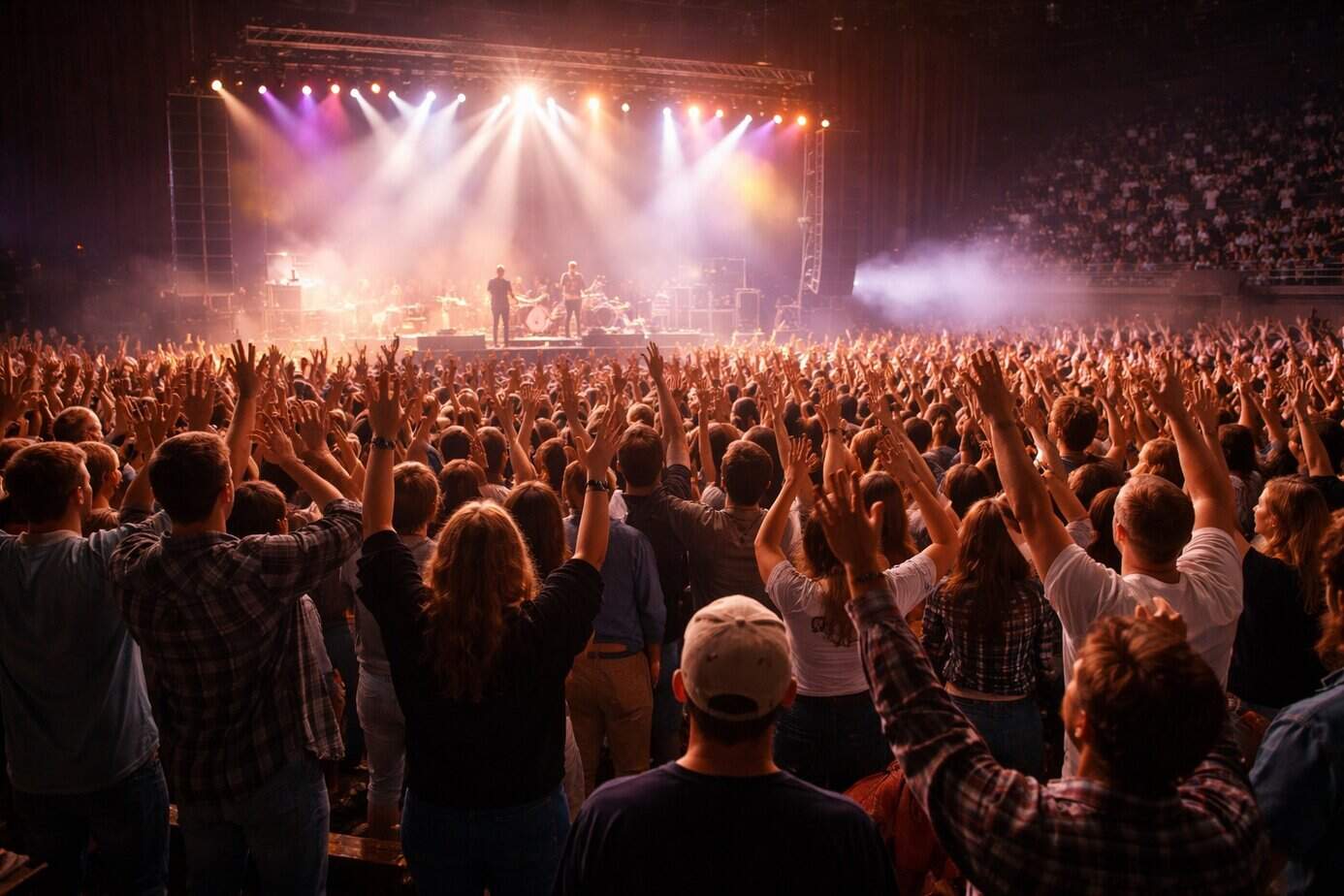
The 1990s were a defining decade for Christian music. For many believers, the songs of that era are more than memories — they are markers of spiritual growth, seasons of family life, and moments when faith felt both honest and alive. Whether heard through Christian radio, youth group gatherings, worship services, or cassette tapes passed between friends, Christian music of the 90s carried a depth and sincerity that still resonates today.
This was a decade when Contemporary Christian Music (CCM) matured, Christian rock found its voice, worship music moved from performance to participation, and Southern Gospel retained its stronghold among churchgoing families. At the same time, gospel music experienced a renewal that shaped worship far beyond its own tradition. Together, these movements created a rich and diverse musical landscape rooted in faith, Scripture, and lived experience.
Looking back, Christian music of the 1990s stands out not because it chased trends, but because it reflected a generation seeking authenticity — music that spoke plainly about God, doubt, hope, and grace in a changing world.
Christian music of the 90s is just one chapter in a much larger story of faith expressed through song. You can explore that broader journey in our Christian Songs and Hymns Hub: Powerful Music for Every Season of Life.
Why Christian Music Changed in the 1990s
The shift in Christian music during the 1990s did not happen in isolation. It reflected broader changes within the church and culture alike. The polished, highly produced sound of much 1980s Christian music began to give way to something more grounded and emotionally honest. Listeners were no longer satisfied with music that simply sounded uplifting; they wanted songs that felt true.
At the same time, the infrastructure supporting Christian music was stronger than ever. Christian radio stations expanded across the country. Bookstores became cultural hubs for churches and families. Festivals and conferences introduced audiences to new artists and styles, creating shared musical experiences that shaped faith communities.
Perhaps most importantly, a new generation of believers was coming of age. Many had grown up in church and were looking for music that reflected both conviction and vulnerability. The best Christian artists of the 1990s responded by writing songs that addressed real spiritual struggles while remaining deeply anchored in biblical truth.
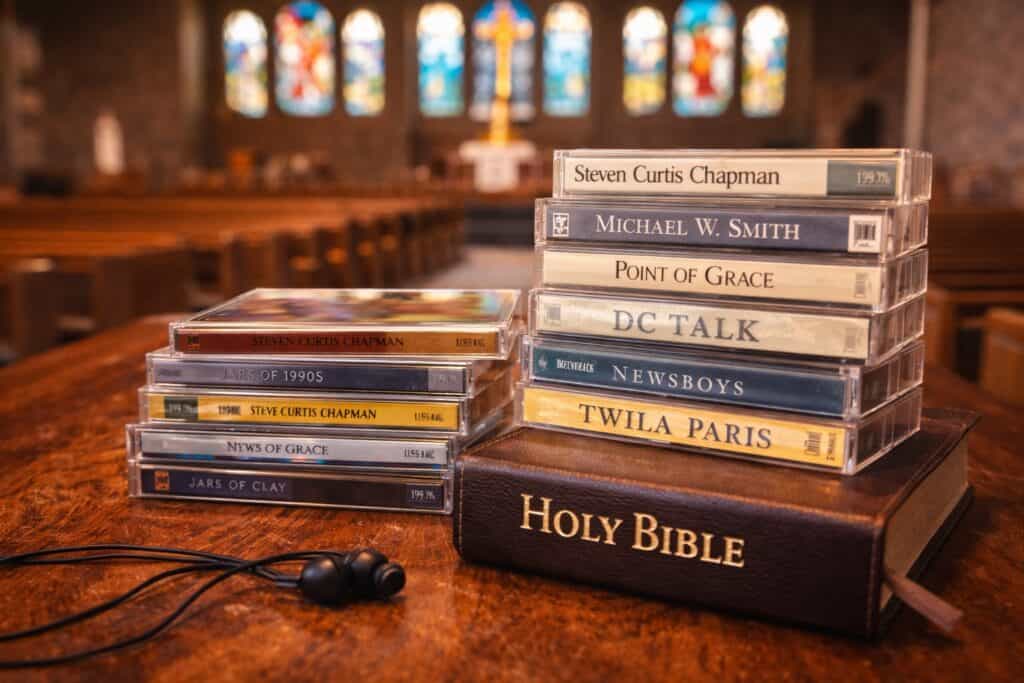
The Major Styles That Defined 90s Christian Music
Christian music in the 1990s cannot be understood through a single genre. Instead, the decade was defined by several distinct styles, each serving a different role within the life of the church.
Mainstream Contemporary Christian Music (CCM)
Mainstream CCM remained the backbone of Christian radio throughout the decade. These artists wrote songs that were accessible, melodic, and openly faith-centered. Unlike earlier crossover attempts, most 90s CCM leaders remained firmly connected to church life and Christian audiences. Their music often balanced personal testimony with clear spiritual themes, making it suitable for both personal listening and ministry contexts.
Christian Rock and Alternative
Christian rock and alternative music grew significantly during the 1990s, especially among younger listeners. Bands in this category embraced electric guitars, energetic performances, and modern production while refusing to abandon their faith identity. For many churches and families, this style marked a turning point — proof that Christian music could be bold, current, and spiritually serious at the same time.
Worship and Inspirational Music
The 1990s also saw worship music begin to shift from choir-centered performance toward congregational participation. Songs became more Scripture-focused and easier to sing, laying the groundwork for modern worship movements. These artists shaped how churches sang together, not just what they listened to at home.
During the 1990s, this shift in worship music reflected a deeper change within the church itself. Congregations increasingly desired songs that could be sung together rather than performed for them. Worship music moved toward simpler melodies, repetitive structures, and lyrics drawn directly from Scripture, allowing believers of all ages to participate fully rather than observe from a distance.
This movement also helped unify churches across denominational lines. Whether in small congregations or large gatherings, worship in the 1990s became less about musical style and more about shared expression. These songs shaped prayer, teaching, and spiritual formation, laying the foundation for how many churches continue to worship today. The lasting influence of this era is seen not in any single song, but in the way worship became more accessible, congregational, and deeply rooted in biblical truth.
You’ll learn more about these hymns, but even more, you’ll grow in how you reflect on scripture and worship.
Southern Gospel in the 1990s
Southern Gospel maintained a strong and loyal audience throughout the decade. Quartet harmonies and family groups continued to thrive, particularly among older believers and rural churches. While the sound modernized slightly, Southern Gospel in the 1990s remained rooted in tradition, testimony, and theological clarity.
Contemporary Gospel and Urban Worship
Gospel music experienced a powerful renewal in the 1990s, blending traditional roots with contemporary rhythms and arrangements. This movement reached far beyond gospel radio, influencing worship styles across denominations and introducing new expressions of praise to a wider audience.
Mainstream CCM Leaders of the 1990s
Mainstream Contemporary Christian Music reached a high point in the 1990s, marked by artists who balanced musical excellence with clear spiritual conviction. These were not crossover figures chasing secular success, but musicians who shaped the identity of Christian radio, church events, and personal devotion throughout the decade.
Steven Curtis Chapman
Few artists defined Christian music of the 1990s more clearly than Steven Curtis Chapman. His songwriting combined storytelling, theology, and emotional honesty in a way that resonated deeply with families and churches alike. Songs such as The Great Adventure and Heaven in the Real World captured both the joy and tension of walking with Christ in everyday life.
Chapman’s influence went beyond radio success. His music addressed discipleship, family, and faith lived out in practical ways, making him a trusted voice for believers navigating the challenges of the decade.
Michael W. Smith
Michael W. Smith entered the 1990s already established, but his influence expanded significantly during the decade. He successfully bridged pop-oriented CCM and worship music without losing credibility in either lane. Songs like Place in This World connected with listeners searching for purpose, while his worship projects shaped church music for years to come.
Smith’s ability to move between personal reflection and congregational worship made him one of the most versatile and influential Christian artists of the era.
Newsboys
The Newsboys brought energy, humor, and bold faith statements to 1990s Christian music. Known for their dynamic live performances, they appealed strongly to youth groups and young adults while maintaining wide radio appeal. Albums such as Take Me to Your Leader helped define the sound of upbeat, message-driven CCM.
Their music proved that Christian lyrics could be joyful, challenging, and culturally aware without losing theological substance.
Phillips, Craig & Dean
Phillips, Craig & Dean represented the heart of church-centered CCM in the 1990s. Their music was ministry-focused, vocally rich, and rooted in Scripture. Many of their songs became staples at church events and conferences, resonating especially with adult audiences seeking depth and encouragement.
Their continued presence on Christian radio throughout the decade made them a steady and trusted voice in a rapidly changing musical landscape.
Point of Grace
Point of Grace brought a defining female presence to 1990s CCM. Their harmonies, thoughtful lyrics, and polished sound connected with women, families, and churches across the country. Songs addressing faith, identity, and grace spoke gently but clearly, making their music both accessible and spiritually meaningful.
They stand as one of the most influential groups of the decade, shaping the sound and tone of mainstream Christian music for years.
Christian Rock and Alternative Artists of the 1990s
While CCM dominated Christian radio, the 1990s also saw the rise of Christian rock and alternative music that spoke powerfully to younger audiences. These artists expanded the boundaries of Christian music while remaining unapologetically faith-centered.
DC Talk
DC Talk changed the landscape of Christian music in the 1990s. Beginning with hip-hop influences and moving into rock, they challenged assumptions about what Christian music could sound like. Albums such as Jesus Freak addressed cultural issues, faith commitment, and spiritual courage in a bold, unapologetic way.
Their impact reached far beyond Christian radio, influencing how faith was expressed through music across genres.
Audio Adrenaline
Audio Adrenaline brought fun, creativity, and high energy to Christian rock. Their playful style masked a serious commitment to ministry, particularly among youth audiences. Songs like Big House became anthems for Christian teens, while deeper tracks explored faith and discipleship.
Jars of Clay
Jars of Clay offered a thoughtful, alternative sound that stood apart from typical CCM. With introspective lyrics and folk-influenced arrangements, they appealed to listeners looking for artistic depth. Their success demonstrated that Christian music could be subtle, intelligent, and spiritually rich.
Petra
Petra entered the 1990s as a veteran band but remained relevant through adaptation and consistency. Their continued presence helped bridge earlier Christian rock movements with newer audiences, reinforcing the legitimacy of rock within Christian music.
Worship and Inspirational Artists of the 1990s
The 1990s marked a turning point in worship music, as songs increasingly focused on congregational participation rather than performance alone.
Rich Mullins
Rich Mullins remains one of the most beloved voices of the decade. His music combined theological depth, poetic honesty, and humility. Songs like Awesome God and The Creed reflected a faith that was thoughtful, sincere, and grounded in Scripture.
Twila Paris
Twila Paris brought Scripture directly into song, helping churches sing biblical truths with clarity and reverence. Her worship music emphasized trust, obedience, and God’s faithfulness.
Don Moen and Ron Kenoly
Don Moen and Ron Kenoly helped shape modern worship expressions during the 1990s. Their music emphasized praise, community, and God’s presence, influencing worship services across denominations and laying groundwork for future worship movements.
Southern Gospel and Vocal Groups of the 1990s
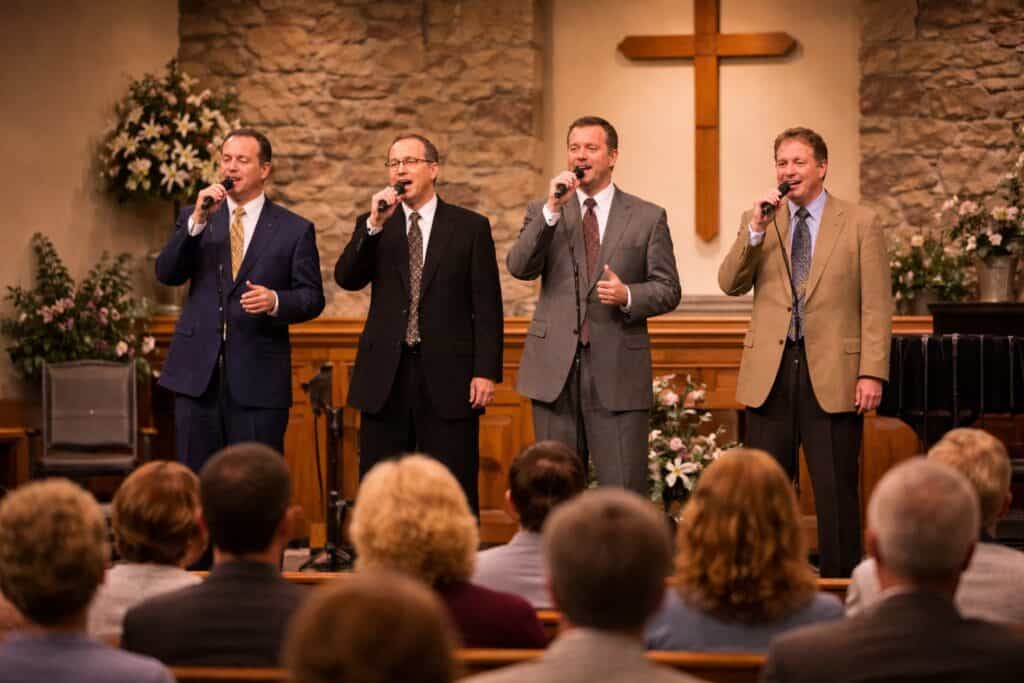
While CCM and Christian rock received much of the attention during the 1990s, Southern Gospel remained a deeply important part of Christian music, especially for older believers and churchgoing families. This tradition emphasized tight harmonies, clear testimony, and lyrics rooted in biblical truth and personal faith.
Gaither Vocal Band
The Gaither Vocal Band stood at the center of Southern Gospel throughout the decade. With a blend of quartet tradition and contemporary polish, the group brought Southern Gospel to a wider audience while maintaining its theological depth. Their connection to Bill and Gloria Gaither’s broader ministry also helped preserve the legacy of gospel music during a time of rapid change.
The Martins
The Martins represented the family-group tradition within Southern Gospel. Their rich harmonies and heartfelt performances resonated strongly with church audiences, particularly in rural and Southern congregations. During the 1990s, they exemplified how Southern Gospel could remain relevant without losing its identity.
Gold City
Gold City was one of the most recognizable Southern Gospel quartets of the 1990s. Known for their strong vocal blend and consistent presence on gospel radio and at conventions, they embodied the classic quartet sound that many listeners associate with the genre. For Southern Gospel fans, Gold City was a defining voice of the decade.
The Crabb Family
Emerging in the late 1990s, the Crabb Family brought new energy and youthful enthusiasm to Southern Gospel. While their greatest influence would come in the early 2000s, their late-90s presence signaled a generational shift within the genre. Their family harmonies and passionate performances helped carry Southern Gospel forward.
The Nelons (Transitional Influence)
The Nelons occupied a unique space during the decade, bridging traditional Southern Gospel with a more contemporary sound. Their music appealed to long-time gospel listeners while also attracting those open to stylistic evolution, making them an important transitional influence.
Contemporary Gospel and Urban Worship in the 1990s
Gospel music experienced a powerful renewal during the 1990s, reshaping worship expressions far beyond its own tradition.
Kirk Franklin
Kirk Franklin emerged as one of the most influential Christian artists of the decade, redefining contemporary gospel music. His debut projects blended traditional gospel themes with modern rhythms and accessible arrangements, bringing gospel music into the mainstream conversation.
Franklin’s influence extended beyond music charts. His songs reshaped worship services, youth choirs, and praise teams across denominations, helping churches embrace more expressive and celebratory forms of worship.
Defining Christian Songs of the 1990s
Rather than being remembered for a single sound, Christian music of the 1990s is remembered for its songs — songs that marked spiritual milestones and continue to echo in churches and homes today.
Whether through bold declarations of faith, quiet expressions of trust, or joyful celebrations of God’s goodness, these songs endured because they spoke truth clearly. Many remain familiar not simply because of nostalgia, but because their messages were rooted in Scripture and lived experience.
How 1990s Christian Music Shaped the Church
The influence of Christian music during the 1990s reached far beyond personal listening. Youth groups rallied around songs that gave voice to faith and identity. Worship services began to change as congregational singing took center stage. Conferences and retreats used music as a primary means of teaching and encouragement.
In many ways, Christian music became a form of discipleship, shaping how believers prayed, worshiped, and understood their relationship with God.
Frequently Asked Questions About 90s Christian Music
Who were the biggest Christian music artists of the 1990s?
Artists such as Steven Curtis Chapman, Michael W. Smith, Newsboys, DC Talk, and Kirk Franklin played defining roles across multiple genres during the decade.
What made Christian music of the 1990s different from today?
The 1990s emphasized lyrical clarity, theological depth, and strong connections to church life, often with less emphasis on mainstream trends.
Was Christian rock accepted by churches in the 1990s?
Acceptance grew gradually. While some churches resisted early on, Christian rock became widely embraced as its spiritual sincerity became clear.
Which 90s worship songs are still sung today?
Many worship songs from the 1990s remain part of church services, particularly those rooted in Scripture and congregational participation.
A Reflection on Faith and Music in the 1990s
Christian music of the 1990s reminds us that God often uses songs to carry His truth through changing seasons of life. These songs accompanied moments of growth, doubt, joy, and perseverance, becoming woven into the spiritual memory of a generation.
Revisiting this music today is more than an exercise in nostalgia. It is an invitation to remember God’s faithfulness — to recall how truth was sung into our lives and to allow those same truths to speak again with renewed meaning.




Leave a Reply