

There are songs that explain faith, and there are songs that simply confess it. Give Me Jesus belongs firmly in the second category. It doesn’t argue for belief or try to resolve life’s tensions. Instead, it quietly names what remains when everything else is stripped away.
Across generations, cultures, and circumstances, this spiritual has endured because it asks a single, searching question: When all is said and done, what do you truly want? Its answer is as simple as it is demanding—Give me Jesus.
What “Give Me Jesus” Means
At its heart, Give Me Jesus is a declaration of spiritual priority. The song does not deny the value of earthly blessings, nor does it romanticize suffering. It simply places Christ above every other desire, comfort, or security. The repeated line—“You can have all this world, but give me Jesus”—is not a rejection of life, but a confession of allegiance.
One of the quiet strengths of Give Me Jesus is that it refuses to define faith by outcomes. The song does not promise relief from suffering, success in calling, or restoration of what has been lost. Instead, it centers faith on relationship — on Christ Himself as the believer’s portion.
That distinction matters deeply in seasons when faith is tested. There are moments when prayers seem unanswered, when vocational identity feels stripped away, or when emotional darkness lingers longer than expected. In those seasons, faith can quietly shift from trust to transaction if we’re not careful — from loving God for who He is to hoping God will fix what hurts.
Give Me Jesus gently resists that shift. It does not ask for Jesus as a means to another end. It names Him as the end Himself. The song reminds believers that Christ is not merely the One who restores joy, but the One who remains present when joy feels distant. That confession does not minimize suffering; it anchors faith within it.
This is where the song presses gently but firmly. It asks whether Jesus is merely part of what we want from God, or whether He is the treasure Himself. That distinction becomes especially clear in seasons when faith is tested rather than celebrated.
Many believers discover that saying “Give me Jesus” is easiest when life feels stable. It becomes far more costly when joy is muted, identity feels shaken, or the future is uncertain. The song gives voice to a faith that chooses Christ not because circumstances are favorable, but because He remains worthy even when they are not.
Before exploring the song’s history, I’ve recorded a simple arrangement of Give Me Jesus that reflects its quiet, unadorned heart.

The Origins of “Give Me Jesus”
An African American Spiritual Born in Suffering
Give Me Jesus is an African American spiritual that likely traces its roots to the late eighteenth or early nineteenth century. Like many spirituals, it emerged from the lived faith of enslaved Black Christians whose hope was shaped under conditions of profound injustice and suffering.
These songs were not written for performance or publication. They were expressions of survival, worship, and trust forged in hardship. Within that context, Give Me Jesus stands out for its clarity. It does not dwell on complaint or explanation. It simply names Christ as sufficient when everything else is uncertain.
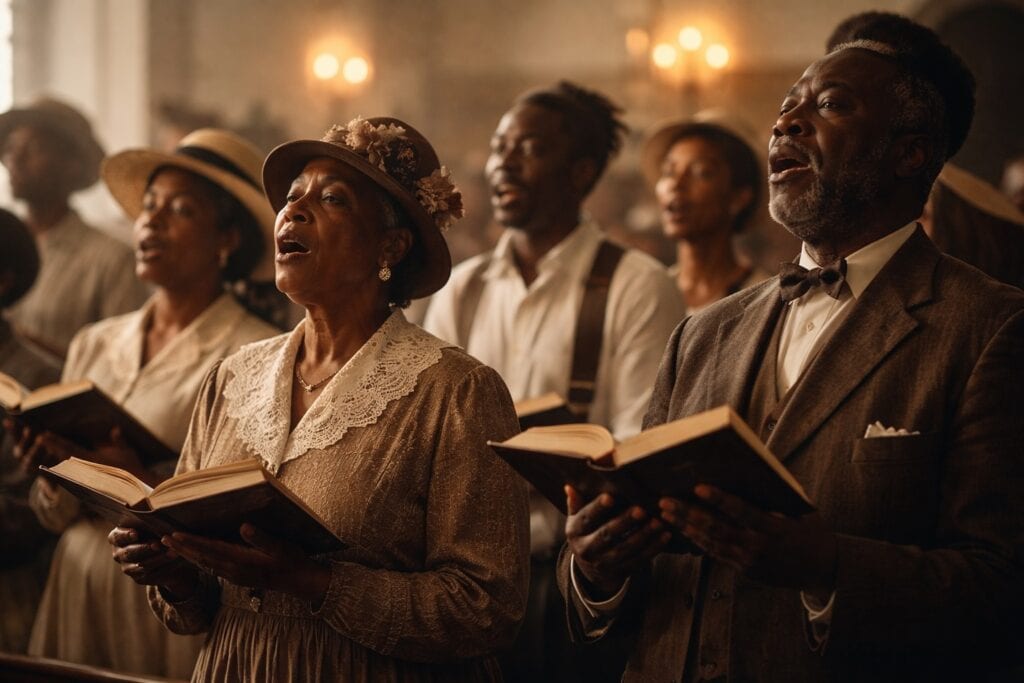
The Enduring Power of Simplicity in Spiritual Songs
Many spirituals endure not because of musical complexity, but because of lyrical restraint. Give Me Jesus contains very few words, yet those words carry extraordinary weight. The song’s power lies in its refusal to explain what cannot be explained or resolve what must be endured.
In an age that often favors elaboration, commentary, and constant analysis, the simplicity of Give Me Jesus feels almost countercultural. It offers space instead of answers. The repeated lines function less like verses and more like prayer — a steady confession that can be returned to when language fails.
This simplicity has allowed the song to cross generations and worship contexts. Whether sung quietly by a solo voice or shared communally, the lyric remains intact because it does not depend on performance. It depends on truth. The song gives believers permission to rest in a single confession when faith feels too fragile to carry anything more complicated.
That enduring simplicity is one reason Give Me Jesus continues to be passed down, remembered, and returned to long after more elaborate songs have faded.
Why the Song Was Passed Down Orally
For generations, Give Me Jesus was passed down orally before ever being written or formally published. Its simplicity made it memorable, and its message made it indispensable. The song did not depend on elaborate theology or musical complexity. Its power lay in its directness.
That oral tradition allowed the song to remain adaptable, crossing denominational and cultural lines. Whether sung quietly, communally, or alone, the heart of the confession remained intact.
The Spiritual Themes Behind the Song
Several deep spiritual themes give Give Me Jesus its enduring strength.
Surrender is central. The song does not bargain with God or ask for specific outcomes. It yields control and places trust in Christ Himself.
Eternal perspective also shapes the lyric. By contrasting “all this world” with Jesus, the song quietly reorders values. Temporary comforts are acknowledged, but they are not ultimate.
Faith beyond circumstances runs throughout. This is not a song for moments of triumph alone. It is a song that holds meaning when answers are few and strength feels thin.
For many believers, these themes become especially real during seasons of loss. There are moments when faith is no longer about abundance or achievement, but about endurance. Seasons like prolonged depression, sudden vocational upheaval, or financial instability have a way of clarifying what truly sustains the soul. In those moments, the confession “Give me Jesus” becomes less poetic and more necessary.

Why “Give Me Jesus” Still Resonates Today
Though rooted in history, Give Me Jesus speaks powerfully into modern life. Many of the struggles that shaped the song’s origin remain present today, though they wear different faces.
People still face seasons of depression that feel isolating and disorienting. Families still experience unexpected career losses that shake security and identity. Even those who serve in ministry or creative vocations often encounter seasons where calling feels costly and faith feels contested rather than affirmed.
In such times, this song continues to resonate because it does not offer easy resolution. It offers presence. It affirms that Jesus Himself—not relief, clarity, or success—is the believer’s prize. That confession can become a quiet anchor when faith feels more like a daily choice than a settled feeling.
Modern life often encourages believers to define faith by visible fruit — productivity, clarity, success, or emotional strength. When those markers disappear, faith can feel fragile or even inadequate. Give Me Jesus speaks into that tension by affirming that faith is not proven by outcomes, but by attachment.
There are seasons when following Christ feels less like celebration and more like endurance. Seasons marked by depression, professional loss, or long uncertainty can quietly test whether Jesus remains central or simply supportive. In those moments, the song’s confession becomes both costly and clarifying.
By returning again and again to Christ as the believer’s prize, Give Me Jesus offers a steady reorientation. It reminds the weary heart that faith is not measured by how strong one feels, but by where one chooses to rest. That message remains as necessary today as it was when the song was first sung.
How “Give Me Jesus” Is Commonly Used
In Worship Services
In congregational worship, Give Me Jesus is often used during reflective moments rather than celebratory ones. Its unhurried pace and simple lyric invite honesty before God, making it especially fitting for communion services, prayer-focused gatherings, or moments of surrender.
At Funerals and Memorial Services
The song is frequently chosen for funerals and memorial services because it speaks to loss without despair. It acknowledges the weight of death while affirming the believer’s hope in Christ. In moments when words feel inadequate, the song offers a confession that carries both grief and trust.
In Personal Prayer and Reflection
Many people turn to Give Me Jesus during personal prayer, particularly in seasons when faith feels fragile. Its repetition allows the lyric to function almost like a prayer itself—a steady reminder of what remains firm when emotions fluctuate.
Is “Give Me Jesus” a Hymn or a Spiritual?
While Give Me Jesus is often included in hymnals, it is best understood as a spiritual rather than a traditional hymn. Hymns are typically written by identifiable authors and composed for congregational instruction. Spirituals, by contrast, arise from communal experience and are shaped by lived faith.

This distinction matters because it helps explain the song’s tone. Give Me Jesus does not teach doctrine systematically. It confesses trust simply and personally, reflecting the communal faith that gave it birth.
Scripture Themes Reflected in “Give Me Jesus”
Though not a direct paraphrase of a single biblical passage, the song echoes several scriptural themes:
- Psalm 73, where the psalmist declares that God Himself is the portion and strength of the heart
- Philippians 1, which frames life and death alike around Christ
- Luke 10, where devotion to Jesus is valued above distraction
- John 6, where Jesus is presented as the true bread that satisfies
Together, these themes reinforce the song’s central confession: Christ is enough.
A Living Song of Faith
Give Me Jesus has endured because it speaks honestly about faith that persists when circumstances do not cooperate. It reminds believers that devotion is not measured by emotional intensity or external success, but by where the heart ultimately rests.
In every generation, there are moments when faith must be chosen rather than felt. In those moments, this song continues to offer a steady confession: Jesus remains the believer’s delight, inheritance, and hope.
I’ve also recorded a simple arrangement of Give Me Jesus that reflects the quiet, unadorned heart of the song, which you can listen to here.




Leave a Reply